September 8, 2026
High-quality early learning is about more than keeping children occupied. Strong preschool practices create opportunities to explore, communicate, solve problems, build relationships, and develop habits that support future learning.
The most effective approaches make learning active, purposeful, and responsive to each child. They recognize that young children learn through routines, conversations, movement, and interactions.
For families comparing preschools, understanding these practices can make it easier to recognize an environment designed around development rather than supervision.
1. Play-Based Learning
Play gives young children a way to investigate ideas and practice skills. Through pretend scenarios, building activities, games, and creative projects, children can experiment with language, problem-solving, cooperation, and decision-making in ways that feel engaging.
In strong preschools, play is not treated as separate from learning. Educators can intentionally provide materials and experiences that encourage children to explore concepts while still allowing room for curiosity, choice, and imagination.
This approach can also support social development. Children learn to share ideas, negotiate roles, follow simple expectations, and respond to others while participating in activities that hold their attention.
2. Responsive Teaching
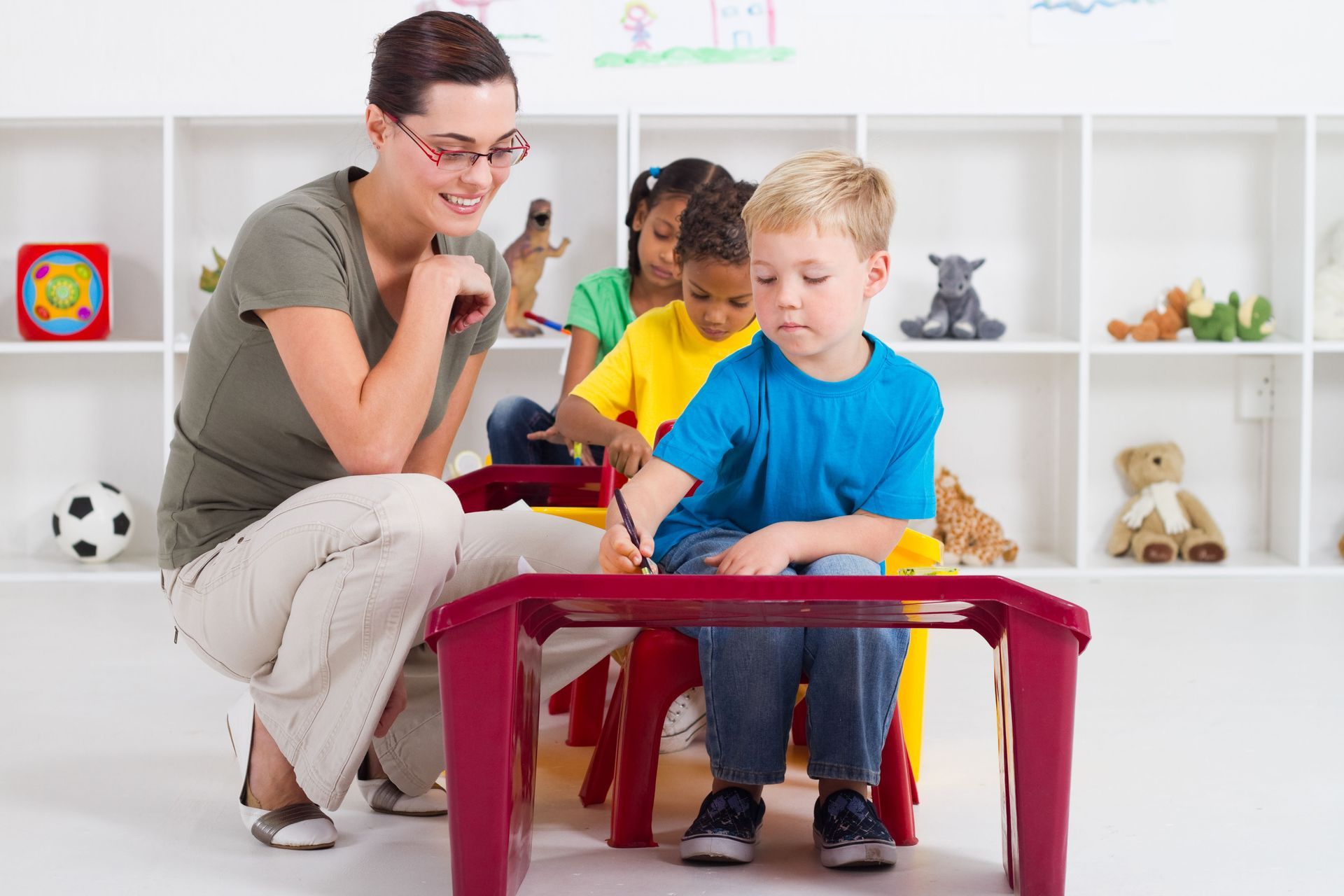
Responsive teaching recognizes that children do not all learn in the same way or at the same pace. Educators observe how children interact with activities, identify areas where support may be helpful, and adjust their approach when needed.
Preschools that use responsive practices can create learning experiences that feel more individualized. A teacher might offer additional guidance during a challenging activity or introduce a new question when a child appears ready to explore an idea further.
This flexibility can also help educators build stronger relationships with children. When children feel noticed and understood, they may be more comfortable asking questions, trying unfamiliar tasks, and communicating their needs.
3. Language-Rich Environments
Frequent conversation is an important part of early learning. Teachers can build language skills by talking with children throughout the day, asking open-ended questions, introducing new vocabulary, and encouraging children to describe what they notice or think.
Reading is another valuable part of language-rich classrooms. Shared stories expose children to new words, sentence patterns, ideas, and perspectives while giving educators natural opportunities to discuss characters, events, and predictions.
According to Gitnux, children who participate in early childhood programs are twice as likely to achieve success in reading and mathematics by third grade. This finding highlights why meaningful early learning experiences can matter beyond the preschool classroom.
Language development also happens during ordinary routines. Mealtimes, transitions, group activities, and play can all become opportunities for children to practice listening, expressing themselves, and understanding others.
4. Social-Emotional Development
Early childhood is an important period for learning how to recognize feelings, interact with others, and respond to everyday challenges. Preschools can support these skills by creating predictable routines and giving children appropriate opportunities to practice social behaviors.
Helpful practices may include:
- Modeling respectful communication
- Encouraging children to name their feelings
- Supporting turn-taking and cooperation
- Guiding children through age-appropriate conflicts
- Providing opportunities for independent choices
These experiences can help children develop confidence and a growing sense of responsibility. Instead of expecting children to manage every situation independently, educators can provide guidance that gradually helps them understand how their actions affect other people.
Social-emotional learning can also contribute to a more positive classroom environment. When children have tools for expressing needs and handling frustration, they may be better prepared to participate in group experiences and build relationships with peers.
5. Hands-On Experiences
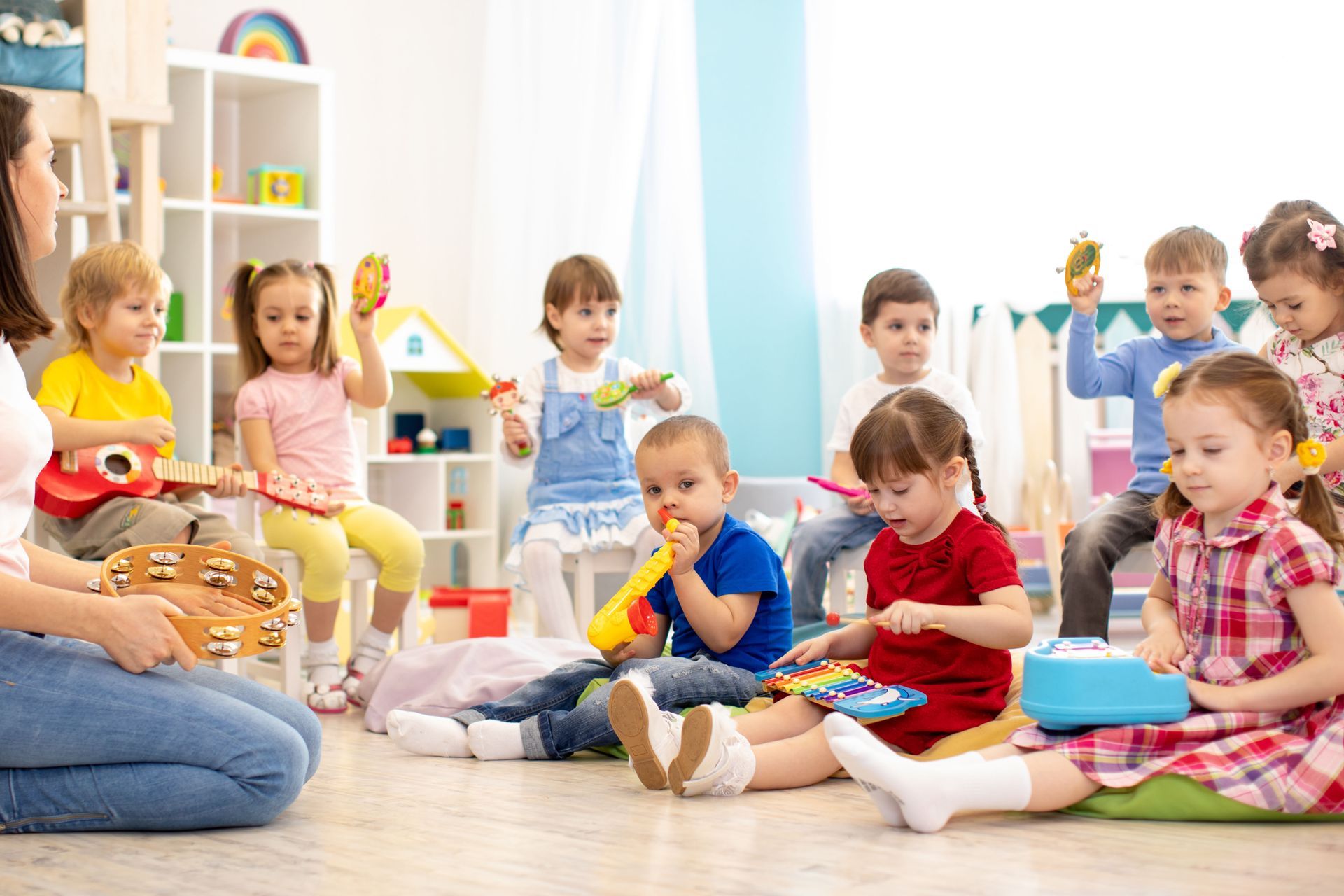
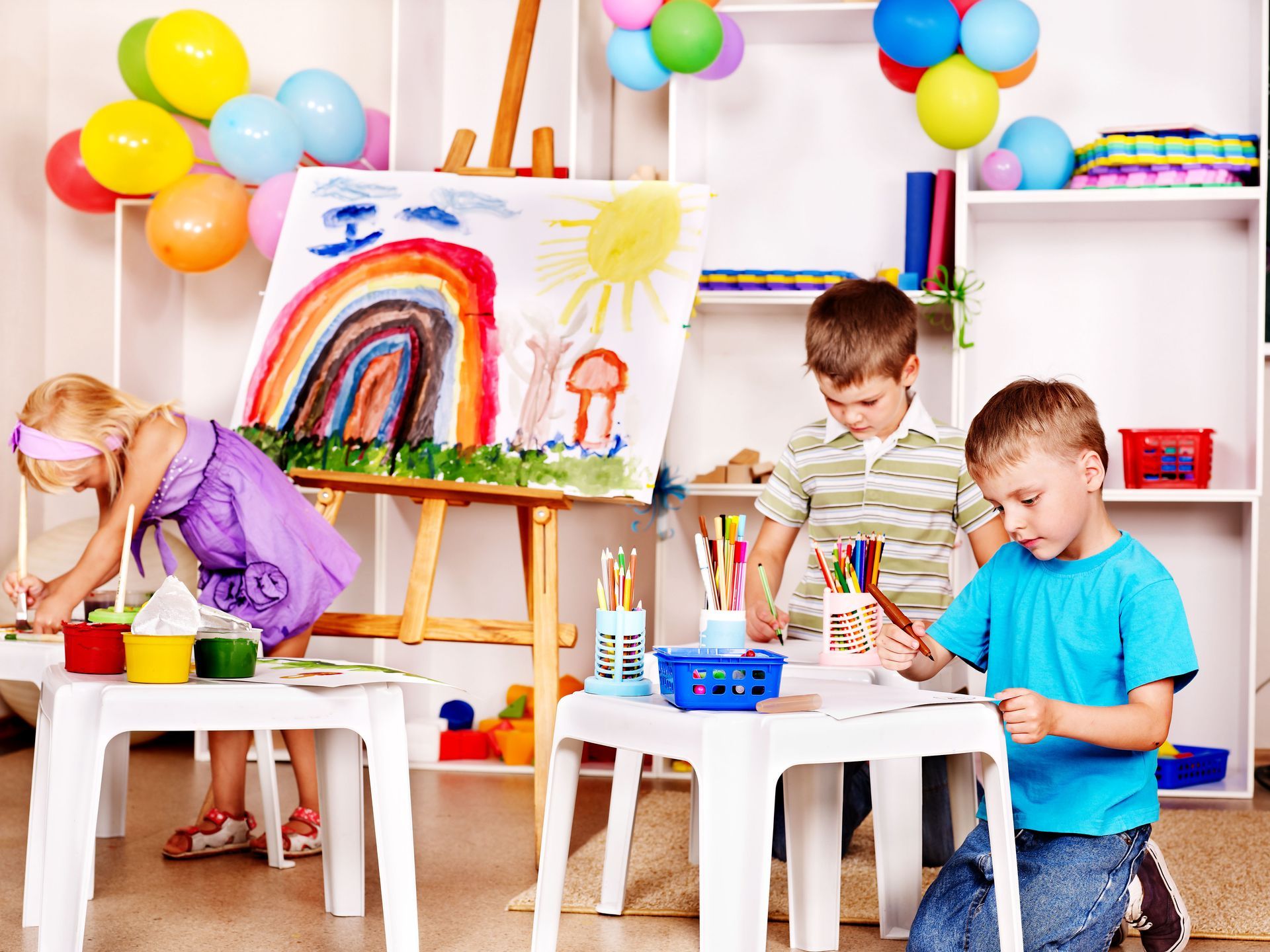
Young children often benefit from learning through direct experiences. Activities involving art materials, sensory exploration, building, movement, music, and simple investigations can give children opportunities to use multiple senses while developing new skills.
Hands-on learning can make abstract ideas easier to understand. Instead of only hearing about a concept, children can manipulate materials, observe changes, make choices, and discuss what happened.
Preschools can also connect hands-on activities to everyday experiences. Gardening, classroom routines, cooking projects, nature observations, and creative activities can encourage children to ask questions while practicing early concepts related to language, mathematics, science, and coordination.
These experiences do not need to be complicated to be meaningful. What matters is creating opportunities for children to participate actively rather than simply watching an adult demonstrate a task.
6. Consistent Routines
Predictable routines can help young children understand what to expect throughout the day. Consistency around arrivals, meals, activities, transitions, rest periods, and departures can create a sense of structure while helping children become familiar with classroom expectations.
Preschools can use routines as learning opportunities rather than treating them as interruptions to instruction. Children can practice independence by putting materials away, preparing for activities, following directions, and making appropriate choices within established boundaries.
Clear routines may also make transitions easier. When children understand what comes next, they can spend less energy trying to figure out the schedule and more energy engaging with the people and activities around them.
At the same time, effective routines can leave room for flexibility. Young children may have different needs from one day to another, so educators can maintain structure while responding thoughtfully to individual circumstances.
The classroom environment matters as well. Materials that are accessible to children can encourage independent exploration, while arranged spaces can make it easier to move between active play, quiet activities, group learning, and individual work.
Educators can also use observation to understand what captures a child’s attention. A child who repeatedly builds with blocks, for example, may be showing interest in structure, balance, or patterns. Teachers can build on that interest by introducing related questions or materials.
Family communication is another part of effective early learning. When educators share observations and invite families to discuss their child’s interests, routines, and progress, children benefit from greater continuity between home and school.
Families considering preschools may want to ask how teachers communicate about daily experiences and how parents can participate in their child’s learning. Clear communication can help families understand what children are practicing and how classroom experiences support development.
Quality practices should also leave space for childhood itself. Young children need opportunities to be curious, make choices, move their bodies, create things, and enjoy relationships. A thoughtfully planned classroom can support those experiences without making learning feel unnecessarily rigid.
When these approaches work together, children can encounter a balanced environment that supports academic readiness alongside communication, social growth, confidence, and independence. The goal is not to rush children through development, but to give them meaningful experiences that prepare them for what comes next.
Thoughtful environments can also balance group participation with opportunities for quiet concentration. This gives children different ways to engage, depending on their interests, energy, and comfort during the day.
The result is a setting where everyday moments can contribute to learning without turning the classroom into a rigid academic environment.
For families evaluating preschools, these research-supported practices offer useful points of comparison. Look for environments where children have opportunities to play, communicate, explore, build relationships, and participate in routines that support growing independence.
A strong early learning setting should make children feel engaged while giving them room to develop at their own pace. Families can learn more about how these practices are incorporated into daily care by asking educators about classroom activities, teaching approaches, communication, and child development.
Ready to explore an early learning environment built around meaningful development, engaging experiences, and supportive care? Connect with Bailey Preschool & Childcare Center to learn more and take the next step toward finding the right fit for your child.