The initial years of a child's life lay the foundation for all future growth, making early education a critical milestone. During this rapid period of brain development, structured environments play a pivotal role in shaping cognitive and social capabilities. Quality preschool education provides young learners with the essential tools they need to navigate the world. Every interactive game and guided routine serves a specific purpose in this developmental journey.
Cultivating Critical Social Capabilities
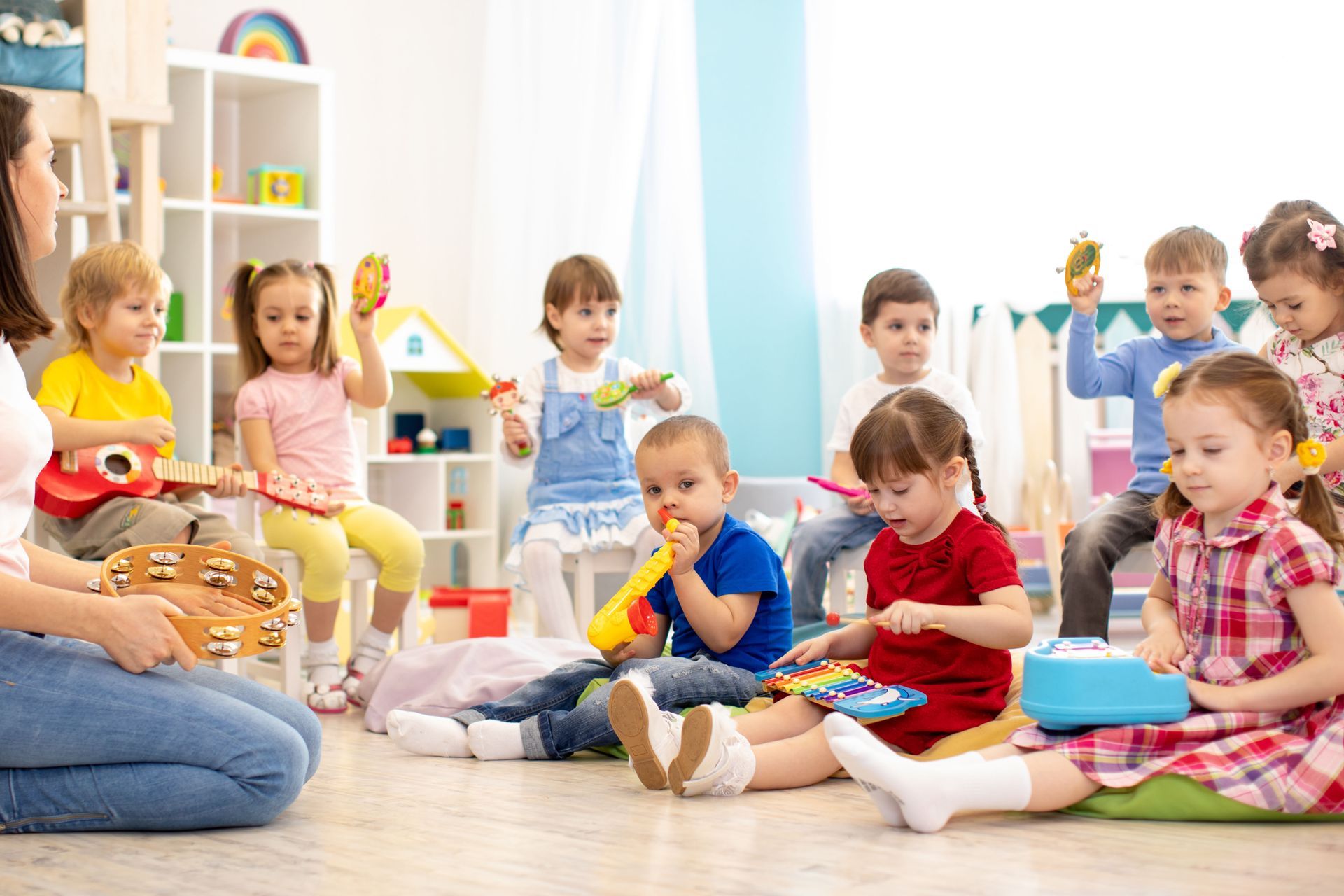
Interacting with peers in a structured setting allows children to navigate complex social dynamics early in life. They learn the nuances of sharing, cooperating, and resolving conflicts under the guidance of trained educators. This daily interaction helps children build empathy and understand perspectives outside of their immediate family circle. Group play naturally encourages children to recognize facial expressions and emotional cues in their classmates.
Through group activities and collaborative play, young learners develop a sense of community and belonging. They practice patience by waiting for their turn and learn to express their feelings in constructive ways. Understanding how to take turns helps reduce friction and promotes a more harmonious classroom dynamic. These preschool experiences form the bedrock of emotional intelligence, helping children manage their impulses and cooperate effectively with others. Consistent routines teach them that every member of the group has a valuable role to play.
As children navigate these social milestones, they build a strong sense of self and confidence in their interpersonal skills. The playground and the classroom become laboratories for friendship, where vital communication habits are formed. Ultimately, learning to collaborate with peers prepares young minds for a lifetime of healthy relationships and community engagement. These early friendships often shape how children view social interactions for years to come.
Nurturing Vital Communication Skills
Language acquisition accelerates dramatically when children are immersed in a vocabulary-rich environment every day. Classrooms filled with stories, songs, and discussions invite children to express their thoughts and expand their speech patterns. Educators intentionally introduce new words and concepts, encouraging children to articulate their ideas clearly. Hearing varied sentence structures helps children internalize the rules of grammar naturally.
Listening is just as important as speaking in the realm of communication development. In a group setting, children learn to follow multi-step directions, comprehend spoken narratives, and respond appropriately to questions. Practicing active listening helps young minds process information more accurately and respond thoughtfully to their peers. This balance of expressive and receptive language skills creates a robust framework for literacy and future academic achievement. Engaging in conversations with adults helps children refine their pronunciation and conversational pacing.
Early exposure to diverse communication styles also helps children adapt their speech to different contexts and audiences. Attending a high-quality preschool environment provides children with regular opportunities to converse with varied communication partners. Whether explaining a drawing to a classmate or asking an adult for help, children refine their vocal tools. These emerging literacy skills serve as the primary gateway to reading, writing, and sophisticated critical thinking. Regular exposure to books stimulates imagination while reinforcing the connection between spoken and written words.
Building Foundational Academic Concepts
Early mathematical and scientific thinking begins long before children encounter formal worksheets or textbooks. Sorting blocks by shape, counting pieces of fruit during snack time, and measuring sand in a sensory table introduce basic STEM concepts naturally. These hands-on experiences make abstract ideas tangible and exciting for a young mind. Recognizing these patterns early on builds the cognitive pathways required for advanced logic.
Story time and print-rich environments foster a natural curiosity about letters, symbols, and words. Children begin to recognize patterns, make predictions, and understand that text carries specific meaning. Following along as a teacher tracks words on a page builds an early adeptness towards reading. This organic approach to literacy sparks a genuine enthusiasm for books and storytelling, making future reading lessons much more approachable. Labeling objects around the room helps children connect written symbols with real-world items.
According to The National Institute for Early Education Research, for the 2025–2026 school year, Michigan increased the income eligibility limit for priority enrollment to 400% of the federal poverty level as part of its push to expand universal preschool access for four-year-old children. This systemic investment highlights the widespread recognition of early academic frameworks in preparing children for long-term educational journeys. Such policy shifts emphasize how foundational learning environments contribute significantly to a child's eventual academic success.
Enhancing Physical Motor Progression
Fine motor skills receive significant attention through daily classroom activities designed to strengthen small hand muscles. Squeezing clay, cutting paper with safety scissors, stringing beads, and holding crayons all prepare fingers for the mechanics of writing. These precise movements require concentration and practice, which educators carefully weave into the daily routine. Developing hand-eye coordination at this stage makes future tasks like typing and shoe tying much easier.
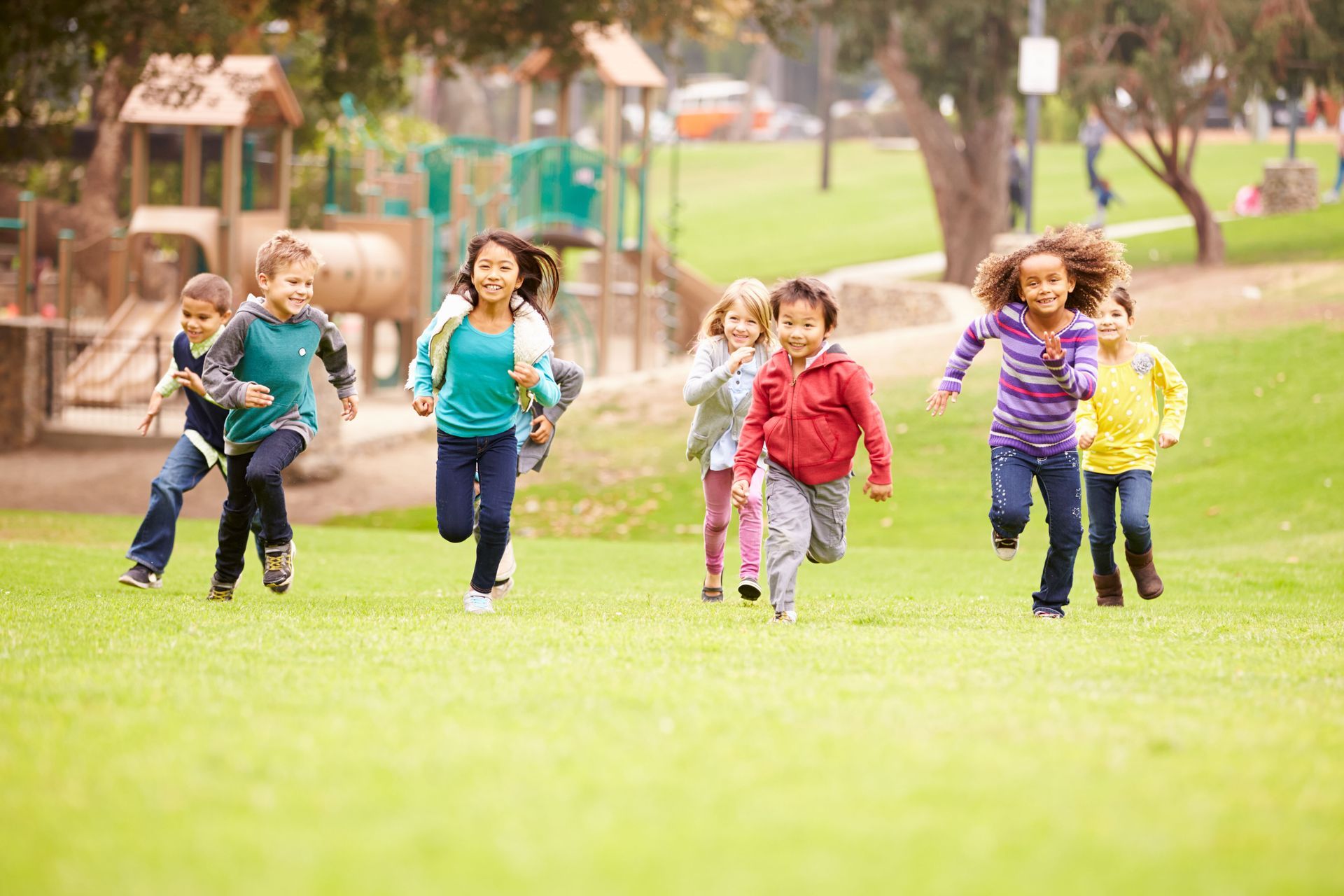
Gross motor development occurs simultaneously through structured outdoor play, balancing exercises, and rhythmic movement games. Running, jumping, climbing, and skipping help children develop spatial awareness, balance, and physical coordination. Negotiating playground obstacles teaches children how to judge distances and manage physical risks safely. A physically active day supports overall health and helps young learners regulate their energy levels throughout the afternoon. Regular physical activity also stimulates brain function and improves classroom focus during quiet times.
The combination of fine and gross motor activities supports healthy brain development by creating new neural pathways. Incorporating regular active play into a preschool schedule helps children build strength and spatial confidence. Physical competence breeds confidence, encouraging children to tackle new physical challenges with enthusiasm. Mastering these physical tasks instills a sense of autonomy and pride in one's growing bodily capabilities. Feeling physically capable allows children to participate fully in all types of interactive learning.
Fostering Creative Problem Solving
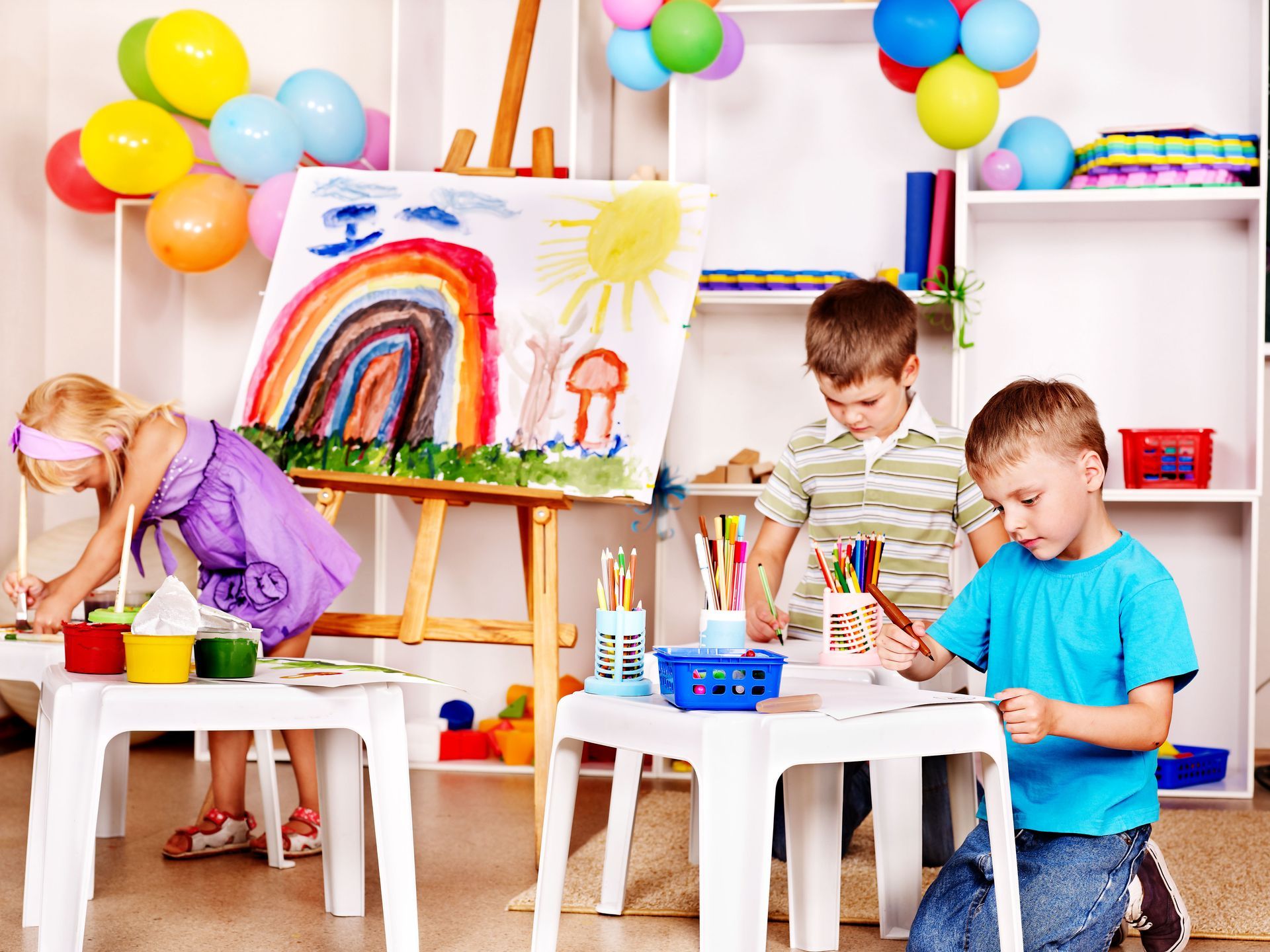
Creativity flourishes in an environment that values open-ended exploration and rewards curiosity. Art projects, building zones, and dramatic play areas invite children to invent scenarios and experiment with raw materials. When a block tower falls, children learn to analyze the cause and try a different architectural approach. This process teaches them that failure is simply a stepping stone toward finding a working solution.
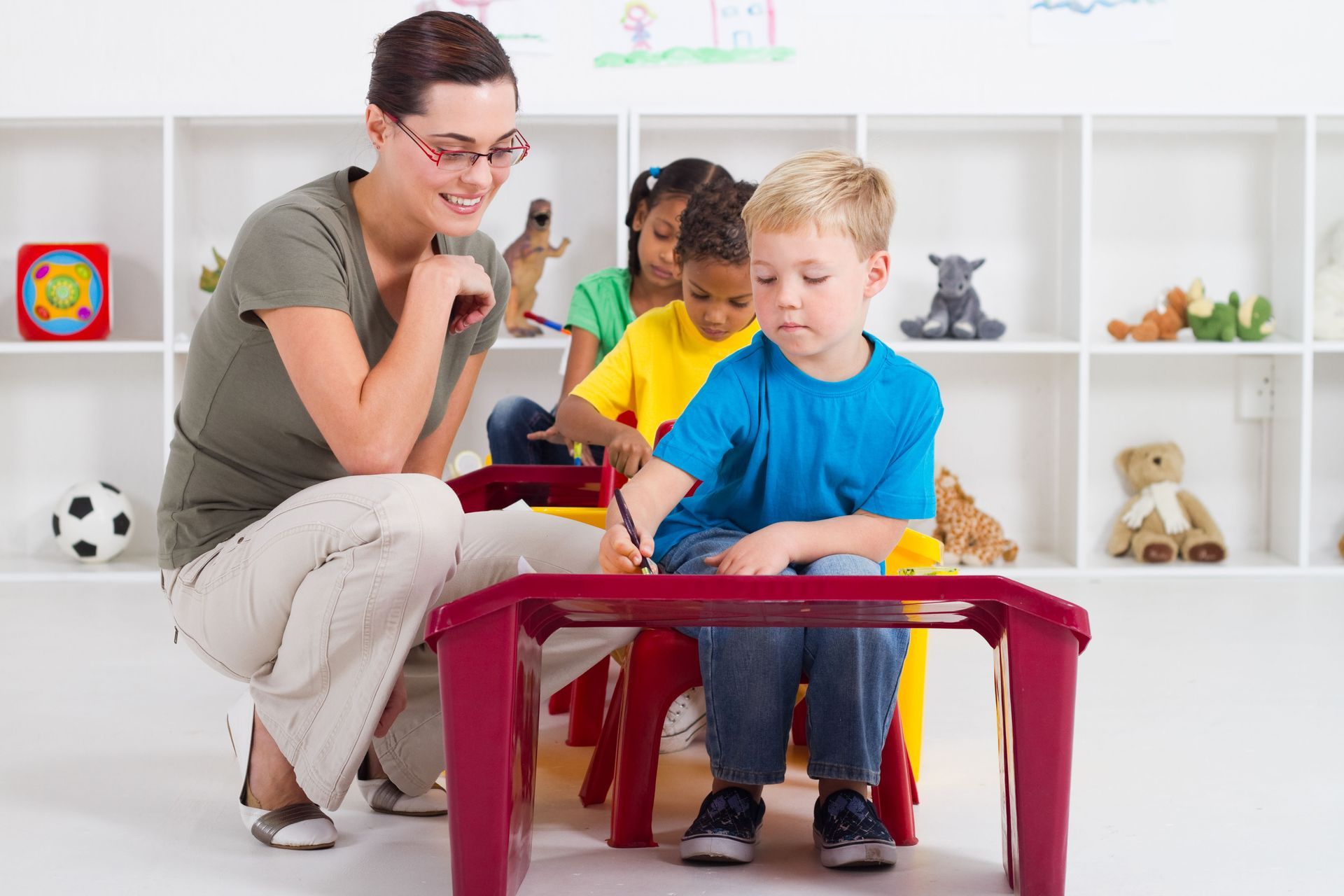
Educators guide this cognitive growth by asking open-ended questions that prompt deeper reflection and trial-and-error experimentation. Instead of providing immediate answers, teachers encourage children to hypothesize and test their own solutions to daily dilemmas. Prompting children to think critically encourages them to look at challenges from multiple angles. This mindset transforms mistakes into valuable learning opportunities rather than frustrating setbacks. Children feel empowered when they discover how things work through their own efforts.
Developing a resilient approach to problem-solving teaches children how to adapt to unexpected changes and challenges. Enrolling a child in a dedicated preschool program introduces them to structured cooperative challenges that expand their minds. This cognitive flexibility helps them approach future academic subjects, like advanced science and mathematics, with a sense of adventure. Cultivating a love for discovery early on turns young learners into lifelong seekers of knowledge. Brainstorming multiple solutions to a single problem becomes a natural habit for these evolving minds.
Selecting a dedicated preschool environment gives children a structured space to explore, grow, and develop essential life skills. The lessons learned during these formative years establish a strong framework for all future academic and personal pursuits. Investing in early education is a powerful step toward a bright, capable, and confident future. Contact the team at Bailey Preschool & Childcare Center today to schedule a personal tour, meet our educators, and see our vibrant learning environments in action.